⭐ Toddlers’ First Words – Videos That Help Babies Talk Faster

👶 Introduction

A baby’s first words are one of the most exciting milestones for parents. Hearing “mama,” “papa,” “ball,” or “milk” for the first time feels magical. But speech development doesn’t happen by accident — babies learn faster when they hear simple words repeated clearly, paired with visuals, music, and friendly characters. First-word learning videos play a huge role in helping toddlers talk earlier and more confidently. This guide explains how first-word videos work, why they are powerful, and how parents can use them every day.

🗣️ Why First-Word Videos Work So Well

Babies learn by observing and copying. When they see a familiar object on screen and hear the name spoken slowly — “ball,” “dog,” “car,” “milk” — their brain builds instant connections. Repetition helps toddlers understand meaning, while bright visuals keep them engaged. The voice tone, rhythm, and expressions in videos make speech learning more exciting than normal conversation. First-word videos use short, clear, slow speech patterns designed exactly for early learners.

👁️ Visual + Audio Learning Boosts Speech

Babies understand better when they see an object at the same time they hear the word. Videos show clear, colorful images of everyday items like toys, fruits, animals, clothes, and body parts. When the narrator says “apple,” and the baby sees an apple, the brain links sound with meaning. This teaches vocabulary faster than audio-only learning. Babies also love copying character expressions, which helps with pronunciation.

👶 First Words Toddlers Learn Easily

Some words appear in daily life often, so toddlers learn them first.
Common early words include:
• mama
• papa
• ball
• dog
• cat
• milk
• car
• shoes
• baby
• bye-bye
• cookie
• water
Videos that repeat these words slowly and clearly help babies speak earlier and more confidently.

🧸 Animal Sounds Help Speech Too

Animal-sound videos like “meow,” “moo,” “quack,” and “roar” are powerful tools for early speech development. Babies love copying these sounds because they are simple, fun, and playful. These sounds help strengthen tongue movement, lip control, and vocal strength — all essential for talking. Many toddlers speak animal sounds before real words, which is a great sign of growing speech skills.

🎶 Music and Rhythm Improve Pronunciation

First-word videos often use gentle music or rhythmic patterns. Babies naturally respond to rhythm. When words are repeated in a musical way — “ball-ball-ball” or “car-car-car” — toddlers imitate them more easily. Music triggers memory centers in the brain, helping kids remember words faster. Soft melodies also keep babies relaxed, focused, and happy during learning time.

💡 Everyday Object Videos Teach Practical Words

Videos that show simple home items help toddlers learn words they can immediately use. Examples include:
• cup
• spoon
• bed
• door
• teddy
• book
Seeing these objects in videos makes it easier for kids to identify them at home. Parents can reinforce learning by showing the real object afterward: “Look! This is a cup — just like in the video!”

🧠 Language Skills Developed

First-word videos help toddlers build:
• vocabulary
• listening skills
• pronunciation
• memory
• object recognition
• communication confidence
• social response
These skills form the foundation for strong language development in preschool years.

👨‍👩‍👦 Parent Tips to Help Babies Talk Faster

Parents can boost speech learning by watching first-word videos daily, naming objects around the house, encouraging the baby to repeat words, celebrating attempts, using hand gestures, and speaking slowly and clearly. Combining videos with real-life objects multiplies learning speed.

🌟 Conclusion

First-word videos are one of the simplest and most effective tools for helping toddlers learn to speak early. With clear visuals, slow speech, bright animations, and fun repetition, these videos make language learning joyful and natural. BunnyVideo.com offers safe, colorful, baby-friendly first-word content designed to help little ones talk faster and build strong communication skills from the very beginning.
Advertisement
Smart Kids 2026 – Videos That Build Memory, Logic & Problem-Solving
🧠 Introduction Every parent wants their child to be confident, curious, and smart. In 2026, the best way to boost early intelligence isn’t expensive toys or complicated lessons — it’s simple, interactive learning videos that develop memory, logic, and problem-solving in a fun way. Toddlers learn fastest through visuals, patterns, music, and characters. Smart-learning videos transform early education into an exciting game, helping kids grow sharper every day. 🧩 Why Smart-Learning Videos Work Kids understand information much better when they see + hear + interact. Smart-learning videos use bright visuals, gentle animations, slow explanations, and simple puzzles to stimulate the brain. These videos teach toddlers to think, remember, compare, and solve without feeling pressured. Because everything is playful, children enjoy learning and stay focused longer. 🔍 Memory-Boosting Videos Memory games introduce objects, numbers, animals, or shapes and ask kids to remember where something appeared. When toddlers watch a character hide behind objects or flip matching cards, they build strong recall skills. Repetition helps the brain form new memory pathways. Kids love the excitement of “Where is it?” and “Try again!” 🔢 Logic-Building Activities Logic videos teach toddlers how to think step-by-step. They show simple puzzles like:• Which object doesn’t belong?• What comes next in the pattern?• Which group is bigger?• Which color matches this shape?These challenges help kids understand cause-and-effect, relationships, and reasoning. Logic skills learned early help children in reading, math, and everyday decision-making. 🧠 Problem-Solving Videos Problem-solving videos show characters facing small challenges — fixing a broken puzzle, finding a missing piece, sorting toys, or choosing the right path. Toddlers learn to:• observe• think• guess• try againThese videos teach patience, focus, and confidence. When kids see characters solve problems happily, they copy the same attitude. 🎶 Pattern Videos Improve Math Skills Pattern videos show sequences like 🍎🍌🍎🍌 or 🔴🟡🔴🟡 and ask kids what comes next. Patterns build early math understanding because they teach repetition, prediction, order, and structure. These are the same skills used later in counting, adding, reading, and coding. Pattern recognition is one of the strongest brain-growth tools for toddlers. 🧩 Puzzle-Animation Videos Animated puzzles introduce toddlers to shapes and spatial understanding. Videos show shapes fitting into correct spaces, animals completing pictures, or blocks stacking to build towers. Kids learn:• shape awareness• hand–eye coordination• how parts make a whole• early engineering conceptsPuzzle videos build confidence and make kids feel proud when pieces fit. 🐾 Animal Logic & Learning Animal videos also help brain development. When toddlers learn which animal jumps, swims, flies, sleeps, or eats a specific food, they are building classification skills. This strengthens logic, memory, and vocabulary. Kids love animals, so learning becomes effortless. 💡 Early Math Videos Early math videos use simple counting, comparisons, and quantity recognition. Kids learn:• more vs less• big vs small• number order• counting objectsThese videos prepare toddlers for preschool curriculum without stress. 🧒 Skills Smart Kids Gain Smart-learning videos help toddlers grow in powerful ways:• stronger memory• sharper attention• better focus• early math understanding• faster vocabulary development• improved problem-solving• logical thinking• creativity and imaginationThese skills are the foundation of lifelong intelligence. 👨‍👩‍👧 Parent Tips Parents can support smart learning by watching videos together, asking questions like “Which one is next?” or “Where did the ball hide?”, encouraging kids to think before answering, praising small wins, and giving toddlers time to explore puzzles independently. Daily little activities build huge growth over time. 🌟 Conclusion Smart-learning videos are the simplest and most enjoyable way to build a child’s brain in 2026. With playful puzzles, patterns, matching games, logical stories, and problem-solving challenges, these videos help kids become confident, curious, and intelligent. BunnyVideo.com offers safe, colorful, and brain-boosting content that helps every child learn faster — while having fun every minute.
Advertisement
Top Brain Development Activities for Kids Using Animated Videos
🧠 Introduction A child’s brain develops faster in the early years than at any other time in life. The more fun, stimulation, and interactive learning they receive, the stronger their memory, focus, logic, and creativity become. Animated educational videos are one of the easiest ways to boost brain development because they mix visuals, music, storytelling, puzzles, and problem-solving into one fun experience. This guide explains the best brain-building activities for kids and how animated videos make learning feel like play. 🧩 Why Animated Videos Support Brain Growth Animated videos activate multiple parts of a child’s brain at once — sound, sight, movement, reasoning, and imagination. This multi-sensory learning helps toddlers understand ideas faster than listening alone. Videos use repetition, patterns, colors, and cute characters to keep kids focused longer. Because everything is visual and lively, children stay engaged without pressure. 🔍 1. Matching Games – Boost Memory Matching-object videos help toddlers remember shapes, colors, animals, letters, and numbers. When kids see two images and match them, they strengthen memory pathways. Animated characters cheer when the correct match appears, making kids feel excited and confident. These videos improve focus and visual recognition. 🔢 2. Sorting Videos – Improve Thinking Skills Sorting videos show kids how to organize objects by size, color, type, shape, or category. Toddlers learn how to compare and make decisions:• big vs small• red vs blue• circle vs triangle• fruits vs animalsSorting strengthens logical thinking and early math skills. 🧠 3. Pattern Recognition – Build Intelligence Pattern videos show sequences like 🔴🟡🔴🟡🔴 and ask kids what comes next. This builds reasoning, prediction, and math readiness. Pattern activities help kids understand numbers, counting, and sequences. They also improve problem-solving and critical thinking. 🧩 4. Puzzle Videos – Strengthen Problem-Solving Puzzle animations show objects breaking apart and coming back together. When toddlers watch characters solve puzzles, they learn how parts make a whole. This builds spatial awareness and prepares kids for drawing, building, and STEM learning later. Kids love watching puzzles magically complete themselves. 🐾 5. Animal Facts – Boost Curiosity Brain development thrives on curiosity. Animal videos introduce fun facts:• lions are strong• dolphins are smart• frogs jump• elephants rememberKids become more observant and excited to learn about the world. Curiosity increases brain activity, vocabulary, and emotional growth. 🔤 6. Alphabet & Phonics – Build Language Skills Language is a major part of brain development. ABC videos improve speech, pronunciation, memory, and vocabulary. Phonics videos help kids understand letter sounds, which is essential for reading. Watching characters say “A for apple!” makes learning fun and easy. 🎶 7. Music & Rhythm Games – Strengthen Memory Musical videos improve memory retention because rhythm helps the brain store information. When kids sing along with ABC songs or number songs, they are training their memory naturally. Music also improves emotional intelligence and focus. 🎨 8. Creativity Videos – Art for the Brain Drawing, coloring, and creativity videos activate the imagination. Kids learn shapes, lines, and colors while watching art animations. Creativity boosts confidence, emotional expression, and right-brain development. 🧒 Skills Kids Gain from Brain Development Videos • stronger memory• better attention span• problem-solving skills• logical thinking• spatial awareness• early math intelligence• creativity & imagination• improved speech & vocabularyThese skills prepare children for preschool, kindergarten, and lifelong learning. 👨‍👩‍👧 Parent Tips for Brain Growth Let kids watch 1–2 brain-boosting videos daily. Ask simple questions like “What color was that?” or “Which shape comes next?” to reinforce learning. Encourage your child to repeat sounds, count along, match objects, or copy drawing steps. Active participation multiplies brain development results. 🌟 Conclusion Brain development doesn’t require complicated lessons — just fun, colorful, interactive videos that keep kids engaged and curious. Matching, sorting, patterns, puzzles, music, and educational storytelling help children grow smarter every day. BunnyVideo.com offers safe, child-friendly animated brain games that turn learning time into a joyful adventure.
Vehicles for Kids – Trains, Planes, Cars & Trucks Explained Simply
🚗 Introduction Kids love vehicles! Whether it’s a loud fire truck, a fast airplane, or a shiny car, toddlers get excited every time they see something that moves. Vehicle-learning videos help children understand how different machines work in a simple, fun, and educational way. With bright animations, real sounds, and friendly characters, toddlers learn the names, sounds, shapes, and functions of trains, planes, cars, buses, trucks, and more. This guide explains vehicles in the simplest way for kids. 🚗 Cars – Everyday Vehicles Kids See Often Cars are the most familiar vehicles. Kids see them on the road, outside their homes, and in parking lots. Car-learning videos show:• headlights• wheels• doors• car soundsCars teach children movement, direction, and transportation basics. Bright colors and smooth car animations help toddlers recognize cars instantly. 🚓 Police Cars – Fast & Helpful Police cars are special vehicles kids love because of the flashing lights and “woo-woo” siren. Videos explain how police cars help keep people safe. Kids learn to spot the blue and red lights, the bold colors, and the loud siren sound. 🚌 Buses – Big Vehicles for Many People Buses carry lots of passengers at once. Toddler videos show yellow school buses, city buses, and mini-buses. Children learn that buses have many seats and big doors. The famous rhyme “Wheels on the Bus” makes learning fun and musical. 🚒 Fire Trucks – Loud & Brave Fire trucks are exciting! They are big, red, and have ladders, hoses, and loud sirens. Videos show how firefighters use fire trucks to put out fires and rescue people. Kids learn bravery and teamwork from fire truck animations. 🚚 Trucks – Strong Vehicles for Heavy Loads Trucks help carry big things like boxes, food, cars, and building materials. Truck videos teach kids about:• dump trucks• delivery trucks• tow trucks• garbage trucksThese vehicles help children understand jobs and responsibility. 🚜 Tractors – Farm Helpers Tractors are slow, strong vehicles used on farms. Kids love watching tractors plow fields, pull trailers, and help farmers grow food. Tractor videos are great for teaching kids about farming and nature. 🚂 Trains – Long & Powerful Trains are magical for kids. Train videos show engines, coaches, tracks, tunnels, and railway stations. Children hear the classic “choo-choo” sound, see smoke or lights, and watch trains travel across bridges. Toddlers learn that trains carry people and goods over long distances. ✈️ Airplanes – Flying Vehicles Airplanes amaze children because they fly high in the sky. Videos explain wings, engines, and takeoff. Kids watch airplanes soaring, landing, and traveling worldwide. Airplane-learning boosts imagination and curiosity. 🚁 Helicopters – Fly Up, Down & Hover Helicopters have spinning blades and can move in all directions. Kids learn how they help in rescues, medical emergencies, and news reporting. Helicopter sounds are exciting and easy for toddlers to copy. 🚤 Boats – Vehicles for Water Boats float on water and come in many types: ships, sailboats, speedboats, fishing boats. Videos show waves, splashes, and sea animals. Children learn the difference between land vehicles and water vehicles. 🚜 Construction Vehicles – Favorites of Many Kids Construction machines are super exciting for toddlers. Videos show:• excavators digging• bulldozers pushing• cranes lifting• cement mixers spinningKids love seeing these big machines at work. They learn how construction vehicles help build homes, roads, and schools. 🧠 Skills Kids Gain from Vehicle Videos • vocabulary growth• sound recognition• logical thinking• real-world awareness• color and shape memory• listening and imitation skills• imagination and curiosityVehicle videos help kids learn how the world works — in motion. 👨‍👩‍👧 Parent Tips When watching vehicle videos, parents can ask simple questions like “What color is the car?” or “Which vehicle flies?” to increase learning. Using toy vehicles afterward helps reinforce concepts. Toddlers love pointing to vehicles they recognize in real life! 🌟 Conclusion Vehicles make learning exciting, loud, colorful, and full of imagination. From trains and planes to tractors and trucks, each vehicle teaches toddlers something new about movement, jobs, and the big world around them. BunnyVideo.com provides fun, safe, and educational vehicle videos that help kids learn and enjoy every moment.
The Ultimate ABC Learning Guide for Toddlers – Songs, Games & Activities
Teaching toddlers the ABCs is one of the most important steps in early childhood education. The alphabet is the foundation for reading, writing, speaking, and recognizing words — which makes ABC learning a skill every child should begin early. But toddlers don't learn well through pressure; they learn best through songs, visuals, repetition, and play. That’s why ABC learning videos, alphabet songs, and interactive games have become the most effective and engaging tools for young children. This guide offers parents a complete understanding of how toddlers can learn letters easily and enjoyably through music, cartoons, animations, and interactive activities. Whether your child is 1, 2, 3, or 4 years old, these methods will make ABC learning feel natural, fun, and stress-free. ⭐ Why Toddlers Learn ABC Faster with Visuals & Music Research in child psychology shows that toddlers respond best to rhythmic patterns, bright colors, and repetition. Alphabet songs and ABC learning videos work because: ✔ Music activates memory Singing helps toddlers remember letters in order. ✔ Visuals help with recognition Seeing letters with pictures builds strong associations. ✔ Repetition builds confidence Hearing and seeing the alphabet many times reduces confusion. ✔ Play-based learning keeps attention Toddlers stay focused longer when the lesson feels like fun. This is why every early learning center in the world uses ABC songs and phonics-based cartoons — because they work beautifully. ⭐ 1. ABC Songs for Toddlers Alphabet songs are the most popular and effective way to start ABC learning. Toddlers love rhythm and music, which makes these songs perfect for memorization. Benefits of ABC songs: Toddlers learn the correct order of letters Music makes learning enjoyable Kids imitate pronunciation easily The rhythm helps children sing along confidently The classic “A-B-C Song” is still one of the best, but modern ABC songs include slow versions, phonics versions, and animated versions with colorful characters. ⭐ 2. Alphabet Phonics Videos Phonics teaches toddlers the sound of each letter, which is crucial for reading. Instead of memorizing letters only by name, phonics helps kids understand what sound each letter makes. For example: A → “aah” B → “buh” C → “kuh” Phonics animations show each letter with matching objects, like: A for Apple B for Ball C for Cat This builds vocabulary and prepares toddlers for early reading. ⭐ 3. Alphabet Games & Activities ABC games make learning interactive and fun. Parents can use both digital games and physical activities. Popular ABC toddler games: ✔ Letter Matching Match uppercase and lowercase letters. ✔ Alphabet Flashcards Show a letter and let the toddler guess the object. ✔ Letter Hunt Hide paper letters around the room — toddlers find them. ✔ ABC Tracing Use printable worksheets or tracing apps. ✔ Sensory Alphabet Play Use sand, clay, or foam letters. These activities help toddlers move from passive learning to active participation. ⭐ 4. ABC Learning Videos with Characters Kids bond emotionally with cartoon characters, which keeps them motivated. Alphabet videos with friendly characters (bunnies, elephants, monkeys, bears) keep toddlers engaged longer. What these videos include: Characters introducing each letter Stories with objects starting from letters Interactive “repeat after me” sections 3D animations and fun movements This is why educational cartoons are more effective than text-only lessons. ⭐ 5. Uppercase & Lowercase Letter Learning Toddlers should learn both forms of letters — uppercase (A, B, C) and lowercase (a, b, c). Fun videos that show both forms side-by-side help toddlers recognize them much faster. Why this matters: Strengthens reading readiness Helps with writing practice Makes early school learning easier Most ABC cartoons include both formats automatically. ⭐ 6. Real-Life Object Learning (A–Z) One of the best ABC learning techniques is teaching each letter using real objects. Example: A for Apple B for Banana C for Car D for Dog E for Elephant This builds vocabulary, word recognition, and memory. ⭐ 7. How Parents Can Support ABC Learning at Home Parents play a huge role in how fast toddlers learn the alphabet. Here are simple ways to help: ✔ Play ABC songs daily Repetition builds memorize power. ✔ Point out letters in daily life Books, cereal boxes, signs, toys. ✔ Encourage toddlers to say letters aloud This improves pronunciation. ✔ Use colorful toys and books Visuals help kids connect better. ✔ Don’t pressure the child Make learning feel like a game, not a test. Children learn better when they feel supported and happy. ⭐ Conclusion ABC learning doesn’t have to be difficult. With the right combination of songs, videos, games, and playful activities, toddlers can master the alphabet quickly and joyfully. The key is to keep learning fun, colorful, and filled with positive energy. Whether through phonics videos, character animations, or everyday object learning, toddlers absorb letters naturally when they enjoy the process.
Preschool Learning Made Fun – Best Videos for Early Childhood Development
Preschool is the most important learning stage in a child’s life. Between ages 2 and 5, children develop their language skills, motor skills, memory power, and emotional understanding faster than at any other age. During these years, the brain absorbs information like a sponge, and children learn best when education feels like fun, play, and discovery. This is exactly why preschool learning videos have become such a powerful tool for parents and teachers. The right videos can help toddlers master essential early-learning concepts such as the alphabet, numbers, shapes, colors, animals, daily habits, and emotional awareness. When delivered through bright animations, kid-friendly music, and interactive characters, learning becomes joyful — not stressful. This guide highlights the best preschool learning videos that support healthy early childhood development, ensuring your child learns naturally and confidently. ⭐ Why Fun Learning Works for Preschoolers Children at the preschool stage have short attention spans. They learn best when the content is engaging, simple, repetitive, and visually appealing. Fun learning videos do exactly that: ✔ Colorful animations keep toddlers focused Bright visuals attract attention and help children stay engaged longer. ✔ Repetition improves memory Preschoolers remember letters, numbers, and words when they hear and see them repeatedly. ✔ Music and rhythm help with speech Songs make learning smoother, and kids start pronouncing words earlier. ✔ Animation reduces learning pressure Preschoolers feel like they are playing, not studying — perfect for stress-free learning. ✔ Interactive characters encourage participation Kids love copying characters who sing, dance, count, or clap. With the right videos, early learning becomes a fun experience rather than a boring task. ⭐ 1. Alphabet & Phonics Learning Videos Alphabet learning is the foundation of reading and writing. Preschool learning videos introduce letters through: ABC songs Phonics sounds Words that start with each letter Uppercase and lowercase matching These videos help kids strengthen:✔ Vocabulary✔ Speech development✔ Reading readiness✔ Letter recognition The best ABC videos have slow narration, colorful examples, and soft music — perfect for young learners. ⭐ 2. Counting & Number Learning Videos Counting videos are ideal for preschool math development. They include fun activities like: Counting objects Number songs Simple addition Number tracing Counting animals or toys These videos help children understand:✔ Quantity✔ Number order✔ Early logic✔ Basic math concepts Preschoolers enjoy bright animations with fruits, animals, cars, or balloons — helping them connect numbers with real-life objects. ⭐ 3. Color Learning Videos Colors are one of the first concepts children understand. Preschool color videos teach: Primary colors Secondary colors Color mixing Identifying colors in everyday life These videos improve:✔ Visual awareness✔ Speech (naming colors)✔ Memory✔ Object recognition Color learning through playful examples like ice cream, cars, animals, and shapes makes learning exciting. ⭐ 4. Shapes Learning Videos Circle, square, triangle, rectangle, star, and heart — shapes form the base of early geometry. Preschool shape videos teach children how to spot shapes around them. These videos develop:✔ Cognitive skills✔ Observation✔ Problem-solving✔ Early math development Shapes become easy when taught through everyday things like wheels, windows, toys, and fruits. ⭐ 5. Nursery Rhymes & Music Learning Nursery rhymes are scientifically proven to boost language development. The rhythm, repetition, and melody help kids learn: New words Sentence patterns Sounds Emotions Social skills Popular preschool rhymes include:🎵 Twinkle Twinkle🎵 Wheels on the Bus🎵 Five Little Monkeys🎵 Baby Shark🎵 Old MacDonald These songs improve speech, memory, and confidence. ⭐ 6. Good Manners & Habits Videos Preschool is the perfect age to learn life habits. Videos that teach manners help toddlers understand: Sharing Being kind Saying “please” and “thank you” Washing hands Brushing teeth Cleaning up toys These videos shape children’s personalities and help build emotional intelligence. ⭐ 7. Animals & Nature Learning Videos Preschoolers love animals! Videos that teach animal names, sounds, and habitats help children learn early science concepts. Kids learn:✔ Observation✔ Listening skills✔ Vocabulary✔ Curiosity about nature These videos spark imagination and build knowledge of the world. ⭐ 8. Brain Development & Logic Videos Simple puzzles, matching games, and memory challenges boost a child’s thinking power. These videos help children learn:✔ Focus✔ Memory✔ Problem-solving✔ Early logic They prepare preschoolers for school success. ⭐ Conclusion Preschool learning should always be fun, colorful, simple, and interactive. The best preschool learning videos fill your child’s day with laughter, music, creativity, and knowledge — building a strong foundation for school and life. They teach important concepts while keeping your toddler entertained and happy. With so many safe and educational videos available, preschool learning has become easier, smarter, and more enjoyable than ever. BunnyVideo.com is the perfect place for parents who want the best for their children, combining entertainment with real developmental benefits.
Healthy Habits for Kids – Brush, Eat, Play, Sleep & Grow Strong
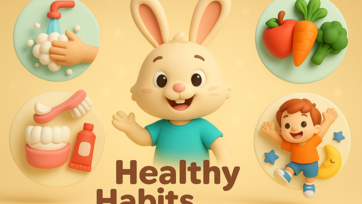
🌱 Introduction Healthy habits shape a child’s entire future. When toddlers learn to brush their teeth, wash their hands, eat healthy food, sleep well, and stay active, they grow stronger physically, mentally, and emotionally. Healthy-habit videos make these routines fun by using songs, animations, and friendly characters. Kids love copying what they see on screen, making good habits feel natural instead of forced. This guide explains how healthy-habits videos help children learn daily routines with excitement and confidence. 🦷 Brushing Teeth – Fun & Essential Brushing videos show characters brushing slowly, smiling, and cleaning every tooth. Toddlers copy them instantly. Videos often include a brushing song, making the 2-minute brushing rule easier to follow. Bright toothbrushes, bubbles, and giggles turn brushing into a happy habit. Kids who enjoy brushing videos become more willing to brush without tantrums. 🧼 Washing Hands – A Simple Habit That Protects Handwashing videos teach kids when to wash hands and how to do it properly: soap, rub, rinse, dry. Toddlers love watching bubbles and water animations. When they see characters washing before meals or after play, they start to understand hygiene. This habit protects children from germs and keeps them healthy year-round. 🍎 Eating Healthy Foods – Fruits, Veggies & Energy Healthy-eating videos encourage kids to try fruits, vegetables, grains, and milk. Colorful plates and dancing food characters make healthy eating exciting. When toddlers watch carrots, apples, bananas, and broccoli come alive in videos, they feel motivated to taste them. Videos help reduce picky eating by making food seem fun, friendly, and adventurous. 🏃‍♂️ Active Play – Move, Jump & Grow Movement is essential for growing bodies. Videos that include dancing, stretching, jumping, and playful exercise routines help kids stay active. When characters say “jump!” or “touch your toes!”, toddlers follow along with joy. Active-play videos improve balance, flexibility, and physical strength while reducing screen-time boredom. These routines are great for indoor play. 😴 Good Sleep Routine – Calm & Comfortable Sleep videos help toddlers wind down with soft bedtime routines. Characters brushing, changing clothes, reading a bedtime story, and saying goodnight teach children a peaceful pattern. Calm music, slow narration, and warm visuals help little ones relax and fall asleep easily. Good sleep makes kids more energetic, focused, and happy during the day. 💧 Drinking Water – Stay Hydrated Many toddlers forget to drink enough water. Videos showing friendly characters sipping water throughout the day remind kids that drinking water keeps their body strong. Cute cups, bottles, and droplets make hydration fun and visually memorable. Kids begin asking for water more often after watching these clips. 🧠 Healthy Habits Improve Child Development Good routines help toddlers grow in multiple ways:• stronger immunity• better energy• improved focus• emotional stability• stronger bones and muscles• better communication and independenceHealthy habits shape a child’s behavior and give them structure, confidence, and discipline. 👨‍👩‍👧 Parent Tips for Healthy Habits Parents can boost learning by following the same habits shown in videos. Brush together, wash hands together, prepare colorful plates, join dance routines, and read bedtime stories. Children learn fastest through imitation. When parents follow healthy routines, kids copy naturally. 🌟 Conclusion Healthy-habit videos turn brushing, washing, eating, playing, and sleeping into enjoyable activities. They help toddlers understand daily routines in a fun, positive, and friendly way. By using cheerful characters, simple songs, and gentle repetition, these videos make learning effortless. BunnyVideo.com is the perfect place for child-safe, colorful, and inspiring healthy-habit videos that help kids grow strong inside and out.
The Best Kids’ Dance & Movement Videos for Indoor Fun
💃 Introduction Kids have endless energy — and dance videos are the perfect way to channel it! Whether it’s raining outside, too hot to play, or you simply want your toddler to move instead of watching cartoons, kids’ dance and movement videos are the best solution. Fun characters, catchy beats, simple steps, and bright animations help toddlers stay active, healthy, and happy. This guide explains why dance videos are great for early development and how they turn indoor time into a joyful workout. 🎶 Why Dance Videos Are Perfect for Toddlers Dance videos combine music, movement, play, and learning in one activity. Children naturally respond to rhythm — when the music starts, their bodies move automatically. Videos that include jumping, clapping, stretching, and spinning help toddlers improve motor skills. Fun characters keep kids engaged longer than simple exercise routines. Because everything is fast, colorful, and happy, toddlers enjoy the entire experience without feeling forced to exercise. 🏃‍♂️ Dance Improves Physical Strength Movement videos help kids build strong muscles, balance, and flexibility. When toddlers follow dance steps like raising arms, bending knees, kicking, or shaking, they work on coordination and body control. These movements also strengthen bones, boost energy, and help with healthy weight management. Indoor dance time helps burn energy in a fun way — perfect for active kids. 😊 Dance Boosts Mood & Confidence Music creates happiness. Dance videos release positive “feel-good” chemicals in the brain, helping toddlers feel relaxed and joyful. When kids follow dance moves successfully, they gain confidence. They start to feel proud: “I can dance!” This boosts self-esteem and encourages creativity and expression. 🎵 Rhythm Helps Brain Development Dance videos teach rhythm, timing, and sequencing — valuable skills for cognitive growth. The repeating beats and patterns help toddlers understand structure and flow. Following the instructor improves listening skills and focus. These benefits help children in reading, math, and problem-solving as they grow. 🧘 Stretching Videos Promote Calmness Not all dance is fast! Many videos include gentle warm-ups and simple stretching. These movements help toddlers develop flexibility, reduce stiffness, and calm their bodies. Soft stretching videos are great before bedtime or after long play sessions. 🎉 Types of Dance Videos Kids Love The best dance videos include:• simple toddler dance routines• action songs like “jump,” “spin,” “clap”• animal dance videos (elephant stomp, bunny hop, frog jump)• freeze dance (great for focus!)• silly dance challenges• follow-along dance parties• upbeat exercise videos for little kidsThese keep toddlers excited and engaged without getting bored. 🧠 Skills Developed Through Dance Dance helps toddlers grow in many ways:• coordination• memory• listening skills• creativity• balance• social confidence• physical fitnessIt’s a complete physical + mental workout in a fun format. 👨‍👩‍👧 Parent Tips for Dance Time Parents can join the dance session to make it extra fun. Clear a small space, ensure safety, play a dance playlist, and let your toddler choose the video. Encourage movement, cheer for them, and let them express themselves. This becomes a special bonding moment and a family activity. 🌟 Conclusion Kids’ dance and movement videos are the perfect indoor fun activity — they keep toddlers active, excited, and healthy. With colorful characters, simple steps, and joyful music, dance time becomes pure happiness. BunnyVideo.com offers child-safe, colorful, and engaging dance videos that transform any room into a mini dance party. Let your little one jump, spin, clap, stretch, and shine!
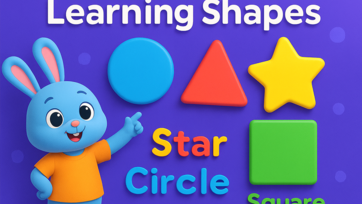
Learning Shapes for Kids – Circles, Squares, Triangles & More!
🔷 Introduction Shapes are one of the first things toddlers learn after colors and numbers. From the wheels on a car to the windows of a house, shapes are everywhere around us. Shape-learning videos help kids understand circles, squares, triangles, rectangles, hearts, stars, and many other forms in a fun and interactive way. With animations, songs, and playful characters, toddlers quickly recognize shapes and start noticing them in daily life. This guide explains how kids learn shapes easily and why shape videos are perfect for early development. 🔵 Why Kids Learn Shapes Quickly Through Videos Toddlers learn best when they can see + hear + repeat. Shape videos show simple shapes in bright colors with slow movement so kids understand the difference clearly. When videos say “This is a circle,” and show a big round shape, children instantly connect the word with the visual. Repetition, songs, and fun examples keep kids focused, making learning smooth and enjoyable. 🔴 Circles – The Easiest Shape for Kids Kids recognize circles quickly because they see them everywhere — wheels, plates, balls, bubbles, suns, cookies, and faces. Videos show circles rolling, bouncing, and glowing, helping toddlers remember the shape easily. Circles help children understand roundness and soft edges. ⬛ Squares – Equal Sides & Perfect Balance Square videos teach kids that squares have four equal sides. Examples include windows, boxes, floor tiles, napkins, and blocks. Fun animations often show squares dancing or stacking, helping toddlers learn structure, balance, and symmetry. 🔺 Triangles – Pointy & Exciting Triangles are easy to spot: pizza slices, roofs, flags, and mountains. Triangle videos highlight the three sides and three corners, making it simple for kids to memorize. Toddlers enjoy triangle songs that point to “top corner, left corner, right corner.” 🟦 Rectangles – Just Like Squares, But Longer Rectangle learning videos use familiar objects like doors, books, phones, tables, and buses. Kids learn that rectangles have four sides, with two long and two short. Videos with moving rectangles help toddlers compare them with squares and understand length differences. ⭐ Stars – Magical & Beautiful Star shapes attract toddlers instantly. Star videos often include night skies, twinkling stars, starfish, and sparkly animations. These videos help children understand points, edges, and patterns. Stars also boost imagination and creativity. 💗 Hearts – The Shape of Love Heart shapes appear in toys, balloons, cookies, stickers, and decorations. Heart videos teach kids emotional meaning while learning the shape. Because hearts are cute and fun, toddlers remember them easily. 🧠 How Shape Videos Boost Child Development Learning shapes develops far more than memory. It improves visual recognition, thinking skills, problem-solving, comparison, object sorting, early math understanding, and creativity. Recognizing shapes builds the foundation for geometry, drawing, and writing in preschool years. 🧩 Fun Shape Activities for Parents Parents can reinforce shape learning at home by playing shape-matching games, making shape crafts, drawing shapes on paper, spotting shapes in the room, using foam shape toys, and letting kids form shapes with blocks or clay. The more often toddlers engage with shapes, the faster they learn. 🌟 Conclusion Shape-learning videos are one of the easiest and most engaging tools for toddler education. With colorful animations, friendly characters, and real-life examples, kids quickly understand circles, squares, triangles, rectangles, stars, hearts, and more. BunnyVideo.com provides safe, interactive, and joyful shape-learning content that helps toddlers grow smarter every day. Shapes turn learning into a fun adventure!