Animals for Kids – Fun Facts and Sounds to Boost Early Learning

🐾 Introduction

Animals are one of the most exciting topics for kids. Toddlers love watching animal videos, copying animal sounds, and learning fun facts about their favorite creatures. Animal-themed educational videos not only entertain children but also help them build vocabulary, listening skills, memory, curiosity, and emotional development. This guide explores how animal videos boost early learning and why kids enjoy them so much.

🐶 Why Kids Love Animal Learning Videos

Animals make learning feel like fun. Cute characters, friendly sounds, bright animations, and playful movements keep toddlers focused longer. Videos with real animal sounds help children associate animals with the correct noises. When kids see a cow and hear “moo,” or watch a duck go “quack,” learning becomes natural. Animations also help toddlers connect sounds, shapes, and names easily.

🐘 Learning Animal Names

Animal videos introduce kids to names of pets, farm animals, jungle animals, sea animals, and birds. Toddlers quickly learn to say “dog,” “cat,” “cow,” “lion,” “frog,” and many more. Videos show the animals with colorful backgrounds, making the names easy to recognize. Repetition strengthens memory, helping kids remember animals after watching just a few times.

🦁 Learning Animal Sounds

Kids love making animal sounds. Videos that include “roar,” “quack,” “baa,” “neigh,” and “meow” help toddlers practice speech and listening. These sounds improve pronunciation and help children use their voices confidently. When children copy animal sounds, their speech muscles strengthen naturally.

🐼 Fun Facts Make Kids Curious

Some videos teach small, simple facts about animals — what they eat, where they live, or how they move. Children learn that elephants are big, rabbits hop, fish swim, lions sleep a lot, and turtles move slowly. These tiny facts spark curiosity and build early science understanding. Kids become more observant about the world around them.

🐣 Different Types of Animal Videos

Kids enjoy various styles of animal videos:
• Farm animal videos
• Jungle animal adventures
• Ocean animals
• Cute baby animals
• Realistic animal documentaries for kids
• Cartoon animals with fun stories
Each type teaches something different, keeping learning exciting and fresh.

🐬 Ocean Animals – A Magical World

Children are fascinated by dolphins, whales, turtles, and colorful fish. Ocean videos teach toddlers about underwater creatures through calming visuals. These videos help kids learn colors, shapes, and movements while entering a peaceful underwater world.

🐄 Farm Animals – Everyday Favorites

Farm animals are the easiest for toddlers to remember. Videos with cows, sheep, ducks, chickens, and horses teach kids familiar sounds and behaviors. These videos are perfect for very young learners because they use clear, simple repetition.

🦜 Birds – Colorful & Musical

Bird videos introduce kids to chirping sounds, wings, nests, and bright colors. Children love parrots, owls, penguins, and sparrows. Bird-themed videos make kids more aware of nature and outdoor life.

🧠 Skills Toddlers Develop

Animal learning videos help toddlers gain:
• vocabulary growth
• listening skills
• memory boost
• shape recognition
• emotional bonding
• empathy for nature
• early science knowledge
These videos turn simple entertainment into powerful learning experiences.

👨‍👩‍👧 Parent Tips for Animal Learning

Parents can help by asking kids to repeat animal names, copy sounds, choose their favorite animal, match animal flashcards, or watch videos during learning time. Taking kids to parks, farms, or zoos after watching videos increases excitement and strengthens learning.

🌟 Conclusion

Animals make early learning fun, joyful, and memorable. With cute characters, real sounds, and exciting facts, animal videos help toddlers learn faster and stay engaged longer. BunnyVideo.com offers safe, colorful, and child-friendly animal videos that help kids grow smarter with every watch. From roaring lions to tiny frogs, animals turn learning into a big adventure.
Advertisement
The Ultimate ABC Learning Guide for Toddlers – Songs, Games & Activities
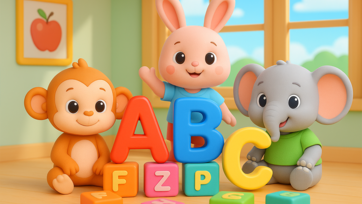
Teaching toddlers the ABCs is one of the most important steps in early childhood education. The alphabet is the foundation for reading, writing, speaking, and recognizing words — which makes ABC learning a skill every child should begin early. But toddlers don't learn well through pressure; they learn best through songs, visuals, repetition, and play. That’s why ABC learning videos, alphabet songs, and interactive games have become the most effective and engaging tools for young children. This guide offers parents a complete understanding of how toddlers can learn letters easily and enjoyably through music, cartoons, animations, and interactive activities. Whether your child is 1, 2, 3, or 4 years old, these methods will make ABC learning feel natural, fun, and stress-free. ⭐ Why Toddlers Learn ABC Faster with Visuals & Music Research in child psychology shows that toddlers respond best to rhythmic patterns, bright colors, and repetition. Alphabet songs and ABC learning videos work because: ✔ Music activates memory Singing helps toddlers remember letters in order. ✔ Visuals help with recognition Seeing letters with pictures builds strong associations. ✔ Repetition builds confidence Hearing and seeing the alphabet many times reduces confusion. ✔ Play-based learning keeps attention Toddlers stay focused longer when the lesson feels like fun. This is why every early learning center in the world uses ABC songs and phonics-based cartoons — because they work beautifully. ⭐ 1. ABC Songs for Toddlers Alphabet songs are the most popular and effective way to start ABC learning. Toddlers love rhythm and music, which makes these songs perfect for memorization. Benefits of ABC songs: Toddlers learn the correct order of letters Music makes learning enjoyable Kids imitate pronunciation easily The rhythm helps children sing along confidently The classic “A-B-C Song” is still one of the best, but modern ABC songs include slow versions, phonics versions, and animated versions with colorful characters. ⭐ 2. Alphabet Phonics Videos Phonics teaches toddlers the sound of each letter, which is crucial for reading. Instead of memorizing letters only by name, phonics helps kids understand what sound each letter makes. For example: A → “aah” B → “buh” C → “kuh” Phonics animations show each letter with matching objects, like: A for Apple B for Ball C for Cat This builds vocabulary and prepares toddlers for early reading. ⭐ 3. Alphabet Games & Activities ABC games make learning interactive and fun. Parents can use both digital games and physical activities. Popular ABC toddler games: ✔ Letter Matching Match uppercase and lowercase letters. ✔ Alphabet Flashcards Show a letter and let the toddler guess the object. ✔ Letter Hunt Hide paper letters around the room — toddlers find them. ✔ ABC Tracing Use printable worksheets or tracing apps. ✔ Sensory Alphabet Play Use sand, clay, or foam letters. These activities help toddlers move from passive learning to active participation. ⭐ 4. ABC Learning Videos with Characters Kids bond emotionally with cartoon characters, which keeps them motivated. Alphabet videos with friendly characters (bunnies, elephants, monkeys, bears) keep toddlers engaged longer. What these videos include: Characters introducing each letter Stories with objects starting from letters Interactive “repeat after me” sections 3D animations and fun movements This is why educational cartoons are more effective than text-only lessons. ⭐ 5. Uppercase & Lowercase Letter Learning Toddlers should learn both forms of letters — uppercase (A, B, C) and lowercase (a, b, c). Fun videos that show both forms side-by-side help toddlers recognize them much faster. Why this matters: Strengthens reading readiness Helps with writing practice Makes early school learning easier Most ABC cartoons include both formats automatically. ⭐ 6. Real-Life Object Learning (A–Z) One of the best ABC learning techniques is teaching each letter using real objects. Example: A for Apple B for Banana C for Car D for Dog E for Elephant This builds vocabulary, word recognition, and memory. ⭐ 7. How Parents Can Support ABC Learning at Home Parents play a huge role in how fast toddlers learn the alphabet. Here are simple ways to help: ✔ Play ABC songs daily Repetition builds memorize power. ✔ Point out letters in daily life Books, cereal boxes, signs, toys. ✔ Encourage toddlers to say letters aloud This improves pronunciation. ✔ Use colorful toys and books Visuals help kids connect better. ✔ Don’t pressure the child Make learning feel like a game, not a test. Children learn better when they feel supported and happy. ⭐ Conclusion ABC learning doesn’t have to be difficult. With the right combination of songs, videos, games, and playful activities, toddlers can master the alphabet quickly and joyfully. The key is to keep learning fun, colorful, and filled with positive energy. Whether through phonics videos, character animations, or everyday object learning, toddlers absorb letters naturally when they enjoy the process.
Advertisement
Best Color Learning Videos for Kids – Red, Blue, Yellow & More!
🌈 Introduction Color learning is one of the most exciting and important early-learning steps for toddlers. Kids love bright colors, colorful objects, and playful animations — which makes color-learning videos the perfect way to teach them. The right videos help children recognize colors faster, improve vocabulary, boost memory, and build early observation skills. This guide highlights the best color-learning methods, videos, activities, and tips to help your child learn red, blue, yellow, green, orange, pink, purple, and more in a fun and interactive way. 🎨 Why Color Learning Videos Work So Well Kids love movement, music, and bright visuals. When colors appear through dancing shapes, smiling animals, or friendly toys, toddlers connect instantly. Repetition also helps them remember each color clearly. Videos with songs and interactive characters help toddlers point, speak, repeat, and engage — turning learning into play. This makes color-learning videos one of the strongest tools for early childhood development. ❤️ Red – The First Color Most Kids Learn Red is bright, bold, and easy to notice. Color-learning videos usually start with red objects like apples, cars, hearts, strawberries, and balloons. Toddlers quickly learn to say “red!” because it pops visually. Parents can reinforce this by pointing out red toys or clothes while toddlers watch the videos. 💙 Blue – Calm, Soft & Very Popular Blue appears in the sky, ocean, shirts, blocks, and friendly cartoon characters. Blue-themed videos help kids identify the color through water animations, skies, fish, and cute blue animals. Many toddlers say “blue!” early because it appears so often in nature and videos. 💛 Yellow – Happy & Sunshine-Friendly Yellow is the color of happiness — sun, lemons, school buses, rubber ducks, and stars. Toddler videos show yellow through smiley suns and cheerful objects. Yellow helps kids feel excited, awake, and playful, making it a fun learning color. 💚 Green – Nature, Grass & Frog Friends Green videos introduce kids to grass, leaves, trees, peas, frogs, and dinosaurs. Green also helps with early nature education. Toddlers love spotting green outdoors after seeing it in videos, making this color easy to reinforce during daily life. 🧡 Orange – Fun & Energetic Orange is bright and energetic. Videos teach it through pumpkins, oranges, carrots, and toy blocks. Orange helps toddlers practice distinguishing between warm colors like red, yellow, and orange. 💜 Purple – Magical & Imaginative Purple is often associated with fantasy and magical characters. Kids learn purple through grapes, flowers, unicorns, and sparkly objects in videos. Purple helps children develop imagination and creativity. 💗 Pink – Cute & Friendly Pink is one of the most loved colors in kids’ videos. It appears in pigs, flowers, candy, jelly, princess themes, and pastel objects. Toddlers usually react strongly to pink visuals, making it an easy color to learn. 🟥🟦🟨 Multicolor Videos Help Even More Videos that include all colors together — like rainbow songs, sorting games, and color-matching activities — help toddlers compare, recognize differences, and build deeper understanding. These videos often include catchy songs that repeat color names clearly, making memorization fast and natural. 🧠 Development Skills Kids Gain from Color Videos Color videos do more than teach colors. They help toddlers develop memory, attention span, vocabulary, visual recognition, early sorting skills, object association, and confidence. Fun learning builds a strong foundation for preschool readiness. 👨‍👩‍👧 Parent Tips to Boost Color Learning at Home Use colorful toys, repeat color names during daily routines, let toddlers pick clothes by color, use color-sorting baskets, show color books, and pause videos to let them shout the colors. When kids interact with both screen and real-world colors, learning becomes faster and stronger. 🌟 Conclusion Color-learning videos are one of the most powerful and joyful early-learning tools. They blend education, entertainment, music, and visuals to help toddlers master all basic colors naturally. Whether your child is learning red, blue, yellow, green, or the entire rainbow, fun videos make every lesson exciting. BunnyVideo.com is the perfect place to explore safe, colorful, and engaging videos that boost early childhood development through playful learning.
Fun Counting Lessons for Kids – Learn Numbers 1 to 50 Easily
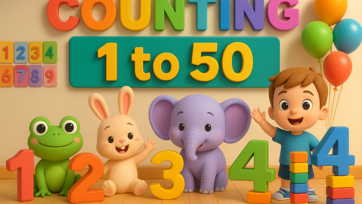
Counting is one of the most important early-learning skills every toddler and preschooler needs. Kids love numbers when they are introduced through fun videos, songs, colorful objects, and friendly characters. The right counting lessons help children master numbers from 1 to 50 easily, while also improving memory, logic, focus, and early math skills. This guide shows how counting videos, games, and playful activities make number learning simple, natural, and exciting for young children. 🌟 Why Counting Videos Work So Well Kids learn numbers faster when they see movement, repetitions, and real objects. Counting videos use toys, animals, balloons, fruits, cars, or dancing shapes to keep toddlers interested. Bright colors catch their attention, and catchy counting songs help with memorization. When numbers appear on screen while characters say them aloud, kids quickly connect sound + shape + value. This makes number learning much easier than books alone. 1️⃣ Learning Numbers 1–10 Numbers 1–10 are the foundation of early math. Videos show them using objects like ducks, apples, stars, and cars. Toddlers learn to count by pointing, repeating, and following along. Numbers 1–10 appear frequently in songs, helping kids memorize them effortlessly. These videos build confidence because kids quickly recognize small-number patterns. 2️⃣ Learning Numbers 10–20 Once kids master 1–10, learning 11–20 becomes smoother. Videos teach teens using groups of objects, step-by-step counting, and visual patterns. Kids begin identifying double-digit numbers. Songs that repeat “eleven-twelve-thirteen” help children remember tricky pronunciations. Visual comparison between 10 and 20 also improves understanding. 3️⃣ Learning Numbers 20–30 Videos use counting sequences, jumping numbers, and simple math games to teach 20–30. Toddlers love watching characters climb 20 steps or count 20 colorful fruits. These activities help kids understand number order and strengthen memory through repetition. Animated charts also help kids see how numbers grow. 4️⃣ Learning Numbers 30–50 Bigger numbers become easy when taught visually. Kids watch characters collect 30 stars, count 40 balloons, or stack 50 blocks. Videos break big numbers into smaller groups, like 10+10+10, helping toddlers understand quantity and value. Repetition in videos helps kids remember large numbers without confusion. 🎵 Counting Songs Make Learning Faster Songs with numbers help toddlers learn quickly because rhythm improves memory. Popular counting songs include:• 1 to 10 counting song• 1 to 20 number train song• 1 to 50 rocket countdown• Counting animals or vehiclesCounting songs encourage kids to clap, jump, or count along, making learning active and enjoyable. 🎉 Fun Counting Games for Kids Counting becomes even better with interactive games. Kids can play:• Number matching games• Balloon counting• Fruit counting baskets• Hop on the number mat• Number tracing apps• Counting puzzle boardsThese activities blend physical play with learning, helping toddlers recognize numbers faster. 🧠 Skills Children Develop Through Counting Counting lessons don’t just teach numbers — they build essential early skills like number recognition, memory, pattern understanding, basic logic, attention span, hand-eye coordination, comparison skills, and early math readiness. These skills are crucial for preschool and kindergarten success. 👨‍👩‍👧 Tips for Parents Parents can boost number learning by using counting videos daily, pointing out numbers in books and street signs, counting toys together, letting kids count snacks or steps, using number flashcards, and encouraging kids to repeat after them. Kids learn best when learning feels like play, not pressure. ⭐ Conclusion Counting videos are one of the easiest and most effective tools for teaching toddlers numbers 1 to 50. With colorful animations, joyful songs, and interactive games, children learn quickly and confidently. Fun counting lessons support early math development and prepare kids for school. BunnyVideo.com is the perfect place for safe, friendly, and educational counting videos that help toddlers grow smarter every day.  
Vehicles for Kids – Trains, Planes, Cars & Trucks Explained Simply
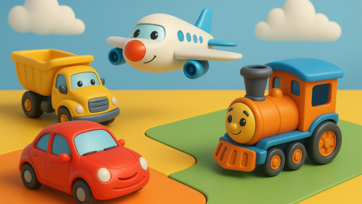
🚗 Introduction Kids love vehicles! Whether it’s a loud fire truck, a fast airplane, or a shiny car, toddlers get excited every time they see something that moves. Vehicle-learning videos help children understand how different machines work in a simple, fun, and educational way. With bright animations, real sounds, and friendly characters, toddlers learn the names, sounds, shapes, and functions of trains, planes, cars, buses, trucks, and more. This guide explains vehicles in the simplest way for kids. 🚗 Cars – Everyday Vehicles Kids See Often Cars are the most familiar vehicles. Kids see them on the road, outside their homes, and in parking lots. Car-learning videos show:• headlights• wheels• doors• car soundsCars teach children movement, direction, and transportation basics. Bright colors and smooth car animations help toddlers recognize cars instantly. 🚓 Police Cars – Fast & Helpful Police cars are special vehicles kids love because of the flashing lights and “woo-woo” siren. Videos explain how police cars help keep people safe. Kids learn to spot the blue and red lights, the bold colors, and the loud siren sound. 🚌 Buses – Big Vehicles for Many People Buses carry lots of passengers at once. Toddler videos show yellow school buses, city buses, and mini-buses. Children learn that buses have many seats and big doors. The famous rhyme “Wheels on the Bus” makes learning fun and musical. 🚒 Fire Trucks – Loud & Brave Fire trucks are exciting! They are big, red, and have ladders, hoses, and loud sirens. Videos show how firefighters use fire trucks to put out fires and rescue people. Kids learn bravery and teamwork from fire truck animations. 🚚 Trucks – Strong Vehicles for Heavy Loads Trucks help carry big things like boxes, food, cars, and building materials. Truck videos teach kids about:• dump trucks• delivery trucks• tow trucks• garbage trucksThese vehicles help children understand jobs and responsibility. 🚜 Tractors – Farm Helpers Tractors are slow, strong vehicles used on farms. Kids love watching tractors plow fields, pull trailers, and help farmers grow food. Tractor videos are great for teaching kids about farming and nature. 🚂 Trains – Long & Powerful Trains are magical for kids. Train videos show engines, coaches, tracks, tunnels, and railway stations. Children hear the classic “choo-choo” sound, see smoke or lights, and watch trains travel across bridges. Toddlers learn that trains carry people and goods over long distances. ✈️ Airplanes – Flying Vehicles Airplanes amaze children because they fly high in the sky. Videos explain wings, engines, and takeoff. Kids watch airplanes soaring, landing, and traveling worldwide. Airplane-learning boosts imagination and curiosity. 🚁 Helicopters – Fly Up, Down & Hover Helicopters have spinning blades and can move in all directions. Kids learn how they help in rescues, medical emergencies, and news reporting. Helicopter sounds are exciting and easy for toddlers to copy. 🚤 Boats – Vehicles for Water Boats float on water and come in many types: ships, sailboats, speedboats, fishing boats. Videos show waves, splashes, and sea animals. Children learn the difference between land vehicles and water vehicles. 🚜 Construction Vehicles – Favorites of Many Kids Construction machines are super exciting for toddlers. Videos show:• excavators digging• bulldozers pushing• cranes lifting• cement mixers spinningKids love seeing these big machines at work. They learn how construction vehicles help build homes, roads, and schools. 🧠 Skills Kids Gain from Vehicle Videos • vocabulary growth• sound recognition• logical thinking• real-world awareness• color and shape memory• listening and imitation skills• imagination and curiosityVehicle videos help kids learn how the world works — in motion. 👨‍👩‍👧 Parent Tips When watching vehicle videos, parents can ask simple questions like “What color is the car?” or “Which vehicle flies?” to increase learning. Using toy vehicles afterward helps reinforce concepts. Toddlers love pointing to vehicles they recognize in real life! 🌟 Conclusion Vehicles make learning exciting, loud, colorful, and full of imagination. From trains and planes to tractors and trucks, each vehicle teaches toddlers something new about movement, jobs, and the big world around them. BunnyVideo.com provides fun, safe, and educational vehicle videos that help kids learn and enjoy every moment.
Top Brain Development Activities for Kids Using Animated Videos
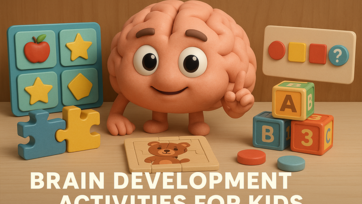
🧠 Introduction A child’s brain develops faster in the early years than at any other time in life. The more fun, stimulation, and interactive learning they receive, the stronger their memory, focus, logic, and creativity become. Animated educational videos are one of the easiest ways to boost brain development because they mix visuals, music, storytelling, puzzles, and problem-solving into one fun experience. This guide explains the best brain-building activities for kids and how animated videos make learning feel like play. 🧩 Why Animated Videos Support Brain Growth Animated videos activate multiple parts of a child’s brain at once — sound, sight, movement, reasoning, and imagination. This multi-sensory learning helps toddlers understand ideas faster than listening alone. Videos use repetition, patterns, colors, and cute characters to keep kids focused longer. Because everything is visual and lively, children stay engaged without pressure. 🔍 1. Matching Games – Boost Memory Matching-object videos help toddlers remember shapes, colors, animals, letters, and numbers. When kids see two images and match them, they strengthen memory pathways. Animated characters cheer when the correct match appears, making kids feel excited and confident. These videos improve focus and visual recognition. 🔢 2. Sorting Videos – Improve Thinking Skills Sorting videos show kids how to organize objects by size, color, type, shape, or category. Toddlers learn how to compare and make decisions:• big vs small• red vs blue• circle vs triangle• fruits vs animalsSorting strengthens logical thinking and early math skills. 🧠 3. Pattern Recognition – Build Intelligence Pattern videos show sequences like 🔴🟡🔴🟡🔴 and ask kids what comes next. This builds reasoning, prediction, and math readiness. Pattern activities help kids understand numbers, counting, and sequences. They also improve problem-solving and critical thinking. 🧩 4. Puzzle Videos – Strengthen Problem-Solving Puzzle animations show objects breaking apart and coming back together. When toddlers watch characters solve puzzles, they learn how parts make a whole. This builds spatial awareness and prepares kids for drawing, building, and STEM learning later. Kids love watching puzzles magically complete themselves. 🐾 5. Animal Facts – Boost Curiosity Brain development thrives on curiosity. Animal videos introduce fun facts:• lions are strong• dolphins are smart• frogs jump• elephants rememberKids become more observant and excited to learn about the world. Curiosity increases brain activity, vocabulary, and emotional growth. 🔤 6. Alphabet & Phonics – Build Language Skills Language is a major part of brain development. ABC videos improve speech, pronunciation, memory, and vocabulary. Phonics videos help kids understand letter sounds, which is essential for reading. Watching characters say “A for apple!” makes learning fun and easy. 🎶 7. Music & Rhythm Games – Strengthen Memory Musical videos improve memory retention because rhythm helps the brain store information. When kids sing along with ABC songs or number songs, they are training their memory naturally. Music also improves emotional intelligence and focus. 🎨 8. Creativity Videos – Art for the Brain Drawing, coloring, and creativity videos activate the imagination. Kids learn shapes, lines, and colors while watching art animations. Creativity boosts confidence, emotional expression, and right-brain development. 🧒 Skills Kids Gain from Brain Development Videos • stronger memory• better attention span• problem-solving skills• logical thinking• spatial awareness• early math intelligence• creativity & imagination• improved speech & vocabularyThese skills prepare children for preschool, kindergarten, and lifelong learning. 👨‍👩‍👧 Parent Tips for Brain Growth Let kids watch 1–2 brain-boosting videos daily. Ask simple questions like “What color was that?” or “Which shape comes next?” to reinforce learning. Encourage your child to repeat sounds, count along, match objects, or copy drawing steps. Active participation multiplies brain development results. 🌟 Conclusion Brain development doesn’t require complicated lessons — just fun, colorful, interactive videos that keep kids engaged and curious. Matching, sorting, patterns, puzzles, music, and educational storytelling help children grow smarter every day. BunnyVideo.com offers safe, child-friendly animated brain games that turn learning time into a joyful adventure.
⭐ Toddlers’ First Words – Videos That Help Babies Talk Faster
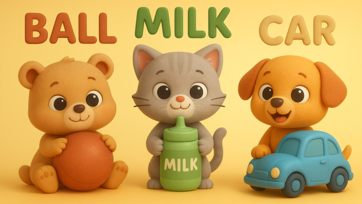
👶 Introduction A baby’s first words are one of the most exciting milestones for parents. Hearing “mama,” “papa,” “ball,” or “milk” for the first time feels magical. But speech development doesn’t happen by accident — babies learn faster when they hear simple words repeated clearly, paired with visuals, music, and friendly characters. First-word learning videos play a huge role in helping toddlers talk earlier and more confidently. This guide explains how first-word videos work, why they are powerful, and how parents can use them every day. 🗣️ Why First-Word Videos Work So Well Babies learn by observing and copying. When they see a familiar object on screen and hear the name spoken slowly — “ball,” “dog,” “car,” “milk” — their brain builds instant connections. Repetition helps toddlers understand meaning, while bright visuals keep them engaged. The voice tone, rhythm, and expressions in videos make speech learning more exciting than normal conversation. First-word videos use short, clear, slow speech patterns designed exactly for early learners. 👁️ Visual + Audio Learning Boosts Speech Babies understand better when they see an object at the same time they hear the word. Videos show clear, colorful images of everyday items like toys, fruits, animals, clothes, and body parts. When the narrator says “apple,” and the baby sees an apple, the brain links sound with meaning. This teaches vocabulary faster than audio-only learning. Babies also love copying character expressions, which helps with pronunciation. 👶 First Words Toddlers Learn Easily Some words appear in daily life often, so toddlers learn them first.Common early words include:• mama• papa• ball• dog• cat• milk• car• shoes• baby• bye-bye• cookie• waterVideos that repeat these words slowly and clearly help babies speak earlier and more confidently. 🧸 Animal Sounds Help Speech Too Animal-sound videos like “meow,” “moo,” “quack,” and “roar” are powerful tools for early speech development. Babies love copying these sounds because they are simple, fun, and playful. These sounds help strengthen tongue movement, lip control, and vocal strength — all essential for talking. Many toddlers speak animal sounds before real words, which is a great sign of growing speech skills. 🎶 Music and Rhythm Improve Pronunciation First-word videos often use gentle music or rhythmic patterns. Babies naturally respond to rhythm. When words are repeated in a musical way — “ball-ball-ball” or “car-car-car” — toddlers imitate them more easily. Music triggers memory centers in the brain, helping kids remember words faster. Soft melodies also keep babies relaxed, focused, and happy during learning time. 💡 Everyday Object Videos Teach Practical Words Videos that show simple home items help toddlers learn words they can immediately use. Examples include:• cup• spoon• bed• door• teddy• bookSeeing these objects in videos makes it easier for kids to identify them at home. Parents can reinforce learning by showing the real object afterward: “Look! This is a cup — just like in the video!” 🧠 Language Skills Developed First-word videos help toddlers build:• vocabulary• listening skills• pronunciation• memory• object recognition• communication confidence• social responseThese skills form the foundation for strong language development in preschool years. 👨‍👩‍👦 Parent Tips to Help Babies Talk Faster Parents can boost speech learning by watching first-word videos daily, naming objects around the house, encouraging the baby to repeat words, celebrating attempts, using hand gestures, and speaking slowly and clearly. Combining videos with real-life objects multiplies learning speed. 🌟 Conclusion First-word videos are one of the simplest and most effective tools for helping toddlers learn to speak early. With clear visuals, slow speech, bright animations, and fun repetition, these videos make language learning joyful and natural. BunnyVideo.com offers safe, colorful, baby-friendly first-word content designed to help little ones talk faster and build strong communication skills from the very beginning.
The Magic of Nursery Rhymes – Why Kids Learn Faster with Music
Nursery rhymes are more than cute songs — they are one of the most powerful learning tools for toddlers. Children naturally respond to rhythm, melody, repetition, and playful words. When kids hear nursery rhymes like “Twinkle Twinkle,” “Five Little Ducks,” or “Wheels on the Bus,” they aren’t just having fun… they are building vocabulary, memory, imagination, and emotional confidence. This guide explains why nursery rhymes help kids learn faster and why music is one of the strongest early-learning tools ever discovered. 🌟 Why Nursery Rhymes Boost Learning Nursery rhymes activate multiple parts of a child’s brain at the same time — hearing, speech, imagination, movement, and emotional centers. This multi-sensory learning makes nursery rhymes more effective than plain talking or reading. Kids repeat words naturally because the rhythm makes them easier to remember. The melody also helps toddlers understand pronunciation and sentence patterns without effort. Nursery rhymes blend fun and learning perfectly. 🗣️ Nursery Rhymes Improve Speech Development Many toddlers say their first complete sentences through rhymes. When kids repeat “row row row your boat,” “ba-ba-black-sheep,” or “five little monkeys,” they learn how to form sounds and words correctly. Rhyme patterns help them pronounce difficult words. Repetition trains their tongue and memory. Even shy toddlers start speaking more confidently when singing along. 🧠 Rhythmic Songs Improve Memory Nursery rhymes create strong memory patterns. Children remember rhymes for years because melody + rhythm makes words stick. The repetitive nature of songs helps kids learn better than standard lessons. When kids sing “1-2-3-4-5 once I caught a fish alive,” they are actually building early math and sequencing skills. Memory improves because the brain connects fun with information. ❤️ Nursery Rhymes Build Emotional Confidence Rhymes make kids happy, calm, and emotionally secure. Cheerful music releases “feel-good” chemicals in the brain. When toddlers sing along with friendly animated characters, they feel safe and excited. Nursery rhymes become comforting routines — during playtime, bedtime, travel, or preschool hours. Songs like “Twinkle Twinkle” even help children relax and fall asleep. 👶 Nursery Rhymes Support Early Learning Skills Nursery rhymes help toddlers learn:• new vocabulary• rhythm and timing• emotional expression• basic counting• animal sounds• daily routines• social behaviorFor example:“Five Little Ducks” teaches numbers, family bonding, and emotions.“Wheels on the Bus” teaches actions, sounds, and storytelling.“Old MacDonald” teaches animals, sounds, and farm concepts.Nursery rhymes become mini-lessons hidden inside fun songs. 🎶 Music Helps Toddlers Learn Patterns Music introduces patterns naturally — up-down, loud-soft, fast-slow, repeat-pause. These patterns strengthen early math and logic skills. Kids who listen to nursery rhymes often develop stronger problem-solving skills later. Songs with choreography (like stomping, clapping, or dancing) also help with motor development and coordination. 👨‍👩‍👧 Parent Benefits – Easy, Fun, Zero Effort Parents love nursery rhymes because they require no preparation. Turn on a safe video and toddlers start singing, dancing, and learning instantly. Nursery rhymes keep kids engaged longer than normal toys. Parents can join in to improve bonding. Rhymes make long car rides, bedtime routines, or fussy moments much easier to handle. 📺 Why Nursery Rhyme Videos Work Best Videos combine all the elements toddlers love — characters, colors, movement, and music. BunnyVideo.com’s nursery-rhyme videos are designed to be slow-paced, brightly animated, safe, and child-friendly. Kids copy characters, clap along with music, and repeat lines easily. Visuals help toddlers connect words to objects, animals, and actions. This creates stronger learning than audio-only songs. 🌈 Conclusion Nursery rhymes are magical because they blend sound, rhythm, repetition, emotion, and imagination in one simple format. They help toddlers learn faster, speak earlier, remember more, and feel happier. With fun animations and cheerful music, nursery rhymes become powerful learning lessons disguised as entertainment. BunnyVideo.com is the perfect home for bright, friendly, and joyful nursery rhyme videos that make early learning feel like play every day.
Why Babies Love Peekaboo – The Science Behind It
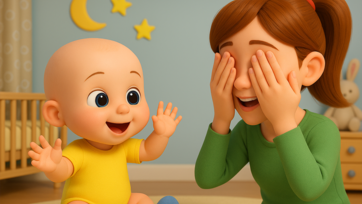
👶 Introduction Peekaboo is one of the oldest and most loved baby games on Earth. Every parent has experienced the magical moment: you cover your face, say “peekaboo!”, and your baby giggles like it’s the funniest thing ever. But why does such a simple game create so much joy? Surprisingly, peekaboo is more than a game — it’s an important developmental activity that teaches babies thinking, memory, emotions, and social bonding. This guide explains the science behind peekaboo and why babies love it so much. 🧠 Peekaboo Teaches “Object Permanence” Object permanence is the understanding that things still exist even when they disappear. Adults know this naturally — if someone leaves the room, we know they still exist. But babies do NOT know this until around 6–12 months. When you hide your face behind your hands, the baby thinks you vanished. When you pop back out, it feels like magic! Peekaboo helps babies build this essential cognitive skill, making it a powerful early-learning game. 😂 Surprise Creates Instant Joy Babies love predictable surprises — and peekaboo gives the perfect mix of predictability + excitement. The pause before you reveal your face builds anticipation. When you suddenly appear, it triggers joy and laughter. This emotional reaction teaches babies timing, rhythm, and social engagement. The “surprise moment” also releases happy hormones in the brain. 👁️ Eye Contact Strengthens Bonding Peekaboo is full of warm eye contact. Babies feel safe and connected when you look directly at them. Every “peekaboo!” feels like a loving interaction. This strengthens trust, attachment, and emotional bonding between parents and children. Babies also learn how to read facial expressions, which helps in early communication. 👂 Peekaboo Improves Listening Skills Babies learn to listen for cues like your voice, tone, and timing. When you say “Where’s mama?” or “Where’s dada?”, they begin to associate words with actions. Repetition of phrases improves language development and teaches babies early speech rhythm. 😄 Peekaboo Helps Babies Understand Social Play Peekaboo teaches babies that play is a back-and-forth activity — you hide, they watch, you appear, they react. This helps them understand social interaction, turn-taking, and engagement. These are the building blocks for friendship and communication later in life. 👋 Peekaboo Encourages Physical Movement As babies grow, they start participating more actively. They might cover their own face, lean forward, bounce, or try to imitate the game. This boosts motor skills, coordination, and physical confidence. Peekaboo evolves as the baby grows:• newborns watch• infants giggle• toddlers hide behind objects• bigger toddlers play creativelyIt’s a game that grows with the child. 🎥 Why Peekaboo Videos Work So Well Peekaboo videos include soft music, slow animation, friendly characters, and cute hide-and-seek movements. Babies love it because the repetition and gentle surprises keep them engaged. Video peekaboo helps with:• attention span• visual tracking• early memory• emotional comfort• speech rhythmIt’s soothing, interactive, and perfect for calm playtime. 🌟 Benefits of Peekaboo for Baby Development Peekaboo helps babies:• build memory• learn object permanence• improve emotional stability• practice early communication• strengthen parent-child bonding• develop curiosity• stay focused for longerIt's one of the simplest but most powerful learning tools for little ones. 👨‍👩‍👧 Parent Tips for Peekaboo Play Use hands, blankets, doors, toys, or even mirrors. Change your expressions to keep it fun. Use playful words and soft tone. Let the baby copy you. Keep sessions short but frequent. Peekaboo works anywhere — living room, car seat, stroller, or bedtime routine. 💛 Conclusion Peekaboo isn’t just a cute game — it’s a scientific, developmental super-tool that builds memory, emotional security, and cognitive growth. Babies adore it because it feels magical, surprising, and full of love. BunnyVideo.com offers adorable peekaboo videos that make learning joyful and comforting for babies everywhere.